Stay-at-Home Mum or Remote Worker? Here's the unspoken reality for many Nigerian Women
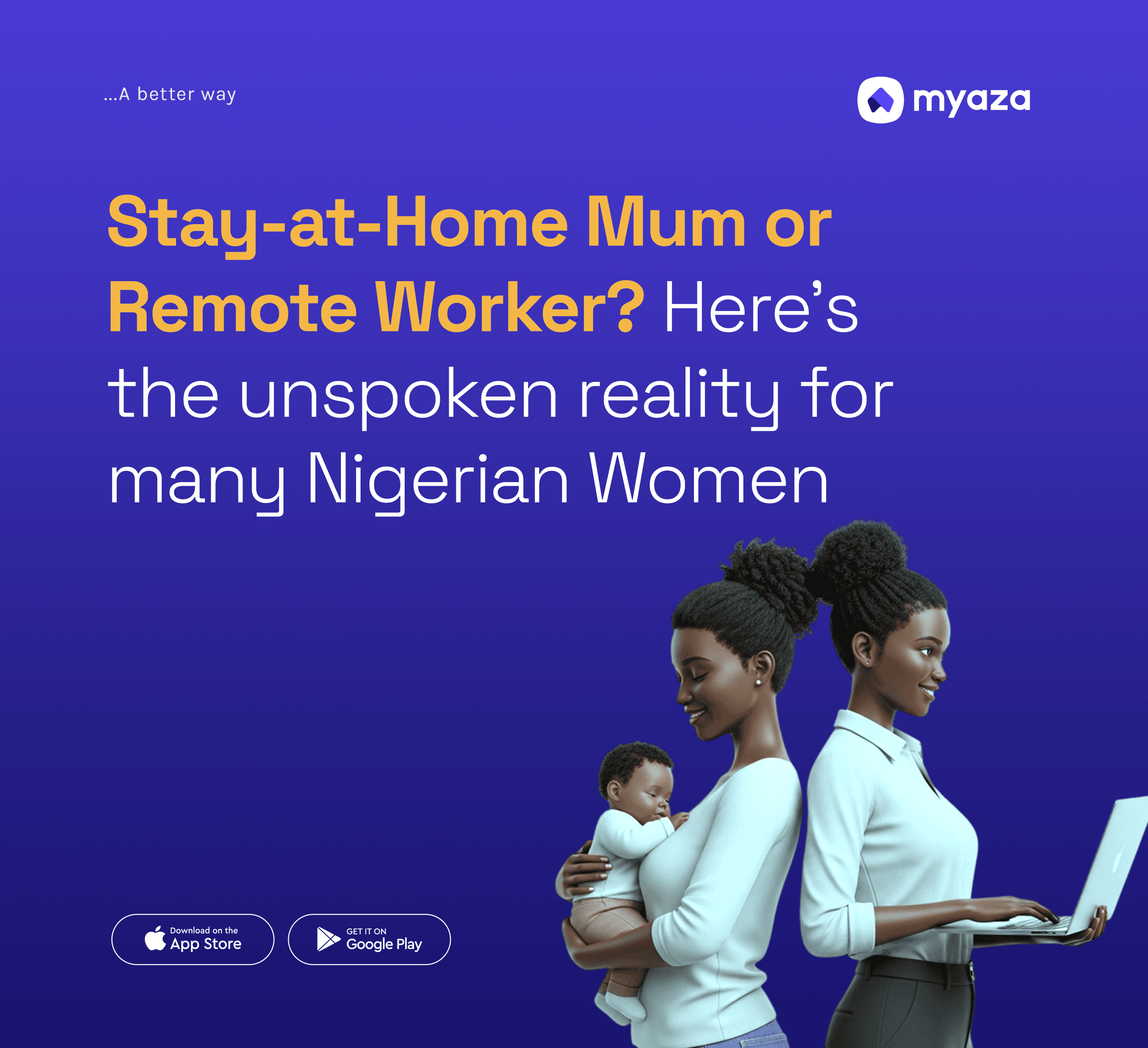

It is 6:14am but Ada has been awake since 5:30.
Not because the baby cried, though that happened too. She was up because a client in Toronto sent a revision request at midnight his time, and she knew she had a two-hour window before the house came alive. So she made herself a cup of very hot tea, opened her laptop on the kitchen table, and got to work.
By 8am, she has already submitted the deliverable, responded to two Slack messages, logged an invoice, and started breakfast. Her mother-in-law will stop by later and say, with genuine warmth, that it must be so nice to be home with the baby.
Ada will smile and say nothing.
The label that does not fit
As Mother's Day approaches, we've been thinking about Mothers who juggle Motherhood with their remote jobs.
"Stay-at-home mum" is not a bad thing to be. Raising children is its own full-time work, and anyone who has tried it knows this. But for a growing number of young Nigerian women, the label is simply inaccurate. They are not home instead of working. They are home and working, often for international clients, often in foreign currency, often across multiple time zones. The distinction is important.
The confusion is understandable. They do not commute to any 9 - 5. They are present for school runs and doctor appointments and the hundred small moments that used to be the exclusive territory of mothers who did not have careers. So from the outside, the narrative writes itself: she is a mum who stays home.
What the narrative misses is everything that happens in the margins of that picture.
The math nobody does
Think about what a typical week looks like for a remote-working Nigerian mother in her late twenties or early thirties. She might be a freelance UX writer, a virtual assistant for a UK-based agency, a social media manager for three different brands, or a developer contracting for a startup in Berlin.
She works, conservatively, twenty-five to forty hours a week on paid client work. She also manages a household. She is also, in many cases, the primary caregiver.
Nobody adds those numbers together. Her colleagues on Slack do not know she answered that urgent thread from a chair covered in baby clothes. Her clients do not know she negotiated that rate increase over a phone call she took in a parked car because it was the only quiet space available. Thus, her neighbors see a woman who is always at home and draw their own conclusions.
There is also the financial dimension that rarely gets named. These women are often significant contributors to their household income, and sometimes the primary earners. They negotiate in dollars and pounds and euros. They think about exchange rates the way other professionals think about quarterly targets. When the naira moves, they feel it. When a payment is delayed by three working days because of a slow transfer platform, they feel that too.
This is not only a Lagos or Abuja story
What makes this moment interesting is the scale of it. Remote work did not create this type of woman, but it dramatically expanded who she could be and where she could do it.
She is in Lekki and Ibadan and Port Harcourt. She is in Accra and Nairobi and Kampala. She is in the diaspora in London and Houston and Toronto, doing the reverse: earning abroad, sending money home, staying connected to family across borders with tools and payment infrastructure that have gotten significantly better in recent years.
International Women’s Day this past Sunday and Mother’s Day this Sunday are not a coincidence worth wasting. The conversation the world is having about women in work tends to center office environments, glass ceilings, boardrooms. That conversation is valid. But there is a parallel story happening in living rooms and kitchen tables and bedrooms with a sleeping toddler on the other side of the door, and it deserves the same attention.
What she actually needs
She does not need the world to applaud her, though that would be nice. She needs the world she operates in to be built for the way she actually works.
That means:
Payment infrastructure that does not punish her for earning in multiple currencies.
Transfer platforms that do not eat into her income with fees she cannot always predict.
Swap tools that are fast enough to match how quickly her circumstances can change, because when a rate shifts and she has an invoice pending, she cannot wait forty-eight hours for a transfer to clear.
This is the part of her life that most people do not see. She is not just raising a family and running a small cross-border financial operation from the same address, and she has been doing it mostly with tools that were not designed with her in mind.
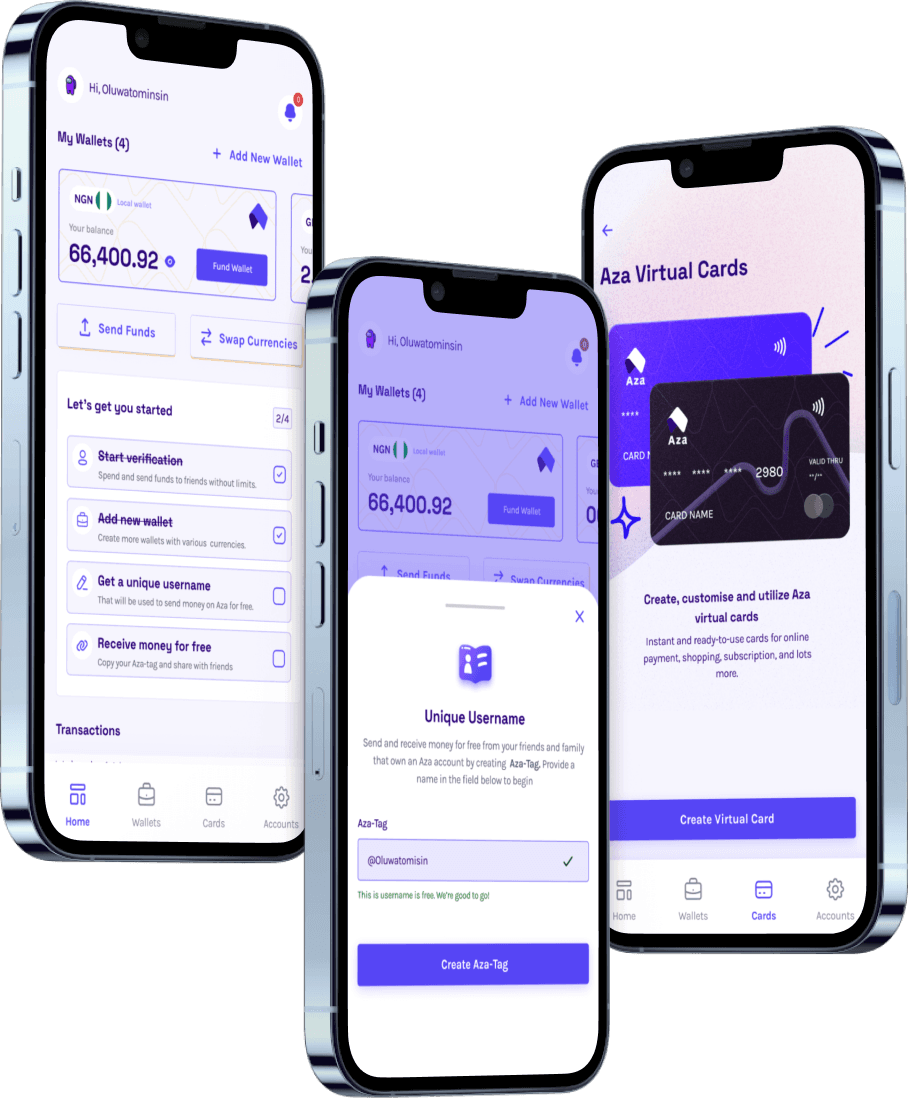
That is changing. Slowly, but it is changing. Myaza is one of such platforms built for these women so that the financial aspect of her overwhelmingly busy life doesn't compound her stress.
Happy Mother’s Day
To the mothers who are also freelancers, contractors, founders, and remote workers: the way you hold two intense worlds together while one of them refuses to see the other is not ordinary. It is not easy. And it is not what people think it is when they say you stay at home.
You know exactly what you are doing. The invoice you sent at 6am proves it. We see you, and we applaud you